First Time Renting a Camper in Europe: Complete Beginner's Guide (2026)
What a first-time renter needs to know about camper hire in Europe: licence and weight limits, vehicle types, booking steps, speed limits, water and gas basics, a 7-day budget and a 3-day route from Kraków.
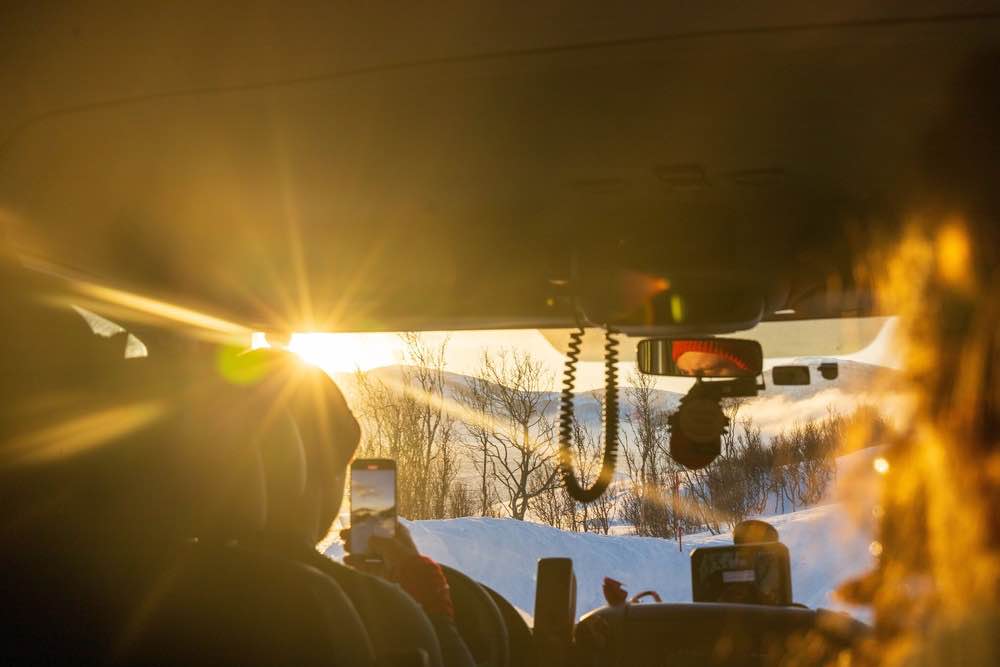
First trip? Plan a short first day while you get used to the camper's size.
First Time Renting a Camper in Europe: Complete Beginner's Guide (2026)
You don't need camping experience or a special licence to rent a camper in Europe. Most rental campers weigh no more than 3.5 tonnes, so a regular category B car licence is enough, and the rest (water, toilet, gas, parking) can be learned in a 30–60 minute handover and a first easy day on the road.
This guide covers choosing a vehicle, booking, the rules of the road, overnight parking, a realistic budget and a 3-day starter route from Kraków.
Why Travel by Camper? Pros and Cons
A camper suits travellers who value flexibility and nature over hotel comfort and fixed plans. The trade-offs:
| Aspect | Pros | Cons |
|---|---|---|
| Freedom | Change plans at any time | You need to plan parking and overnight spots |
| Cost | Often cheaper than hotel + flights + car hire | Fuel, tolls and campsite fees add up |
| Comfort | Your own bed and kitchen every night | Less space than a hotel room |
| Experience | You sleep close to mountains, lakes and coast | Weather affects your plans |
| Family | No daily packing and unpacking | A larger vehicle takes some getting used to |
Modern campers also have a shower, toilet, heating and a kitchen, so "camping" doesn't mean roughing it.
Types of Campervans: Which One Is Right for You?
For a first trip, a camper van or a semi-integrated motorhome is the easiest to drive and park. Typical market prices (they vary a lot by season and company):
| Type | Sleeps | Typical daily cost (EUR) | Best for | Length |
|---|---|---|---|---|
| Camper van (e.g. VW California) | 2–4 | 60–100 | Couples, solo | 5–6 m |
| Semi-integrated | 2–4 | 80–130 | Couples, small families | 6–7.5 m |
| Fully integrated | 2–5 | 100–180 | Families, longer trips | 7–8 m |
| Alcove (over-cab bed) | 4–6 | 90–160 | Families with kids | 6.5–7.5 m |
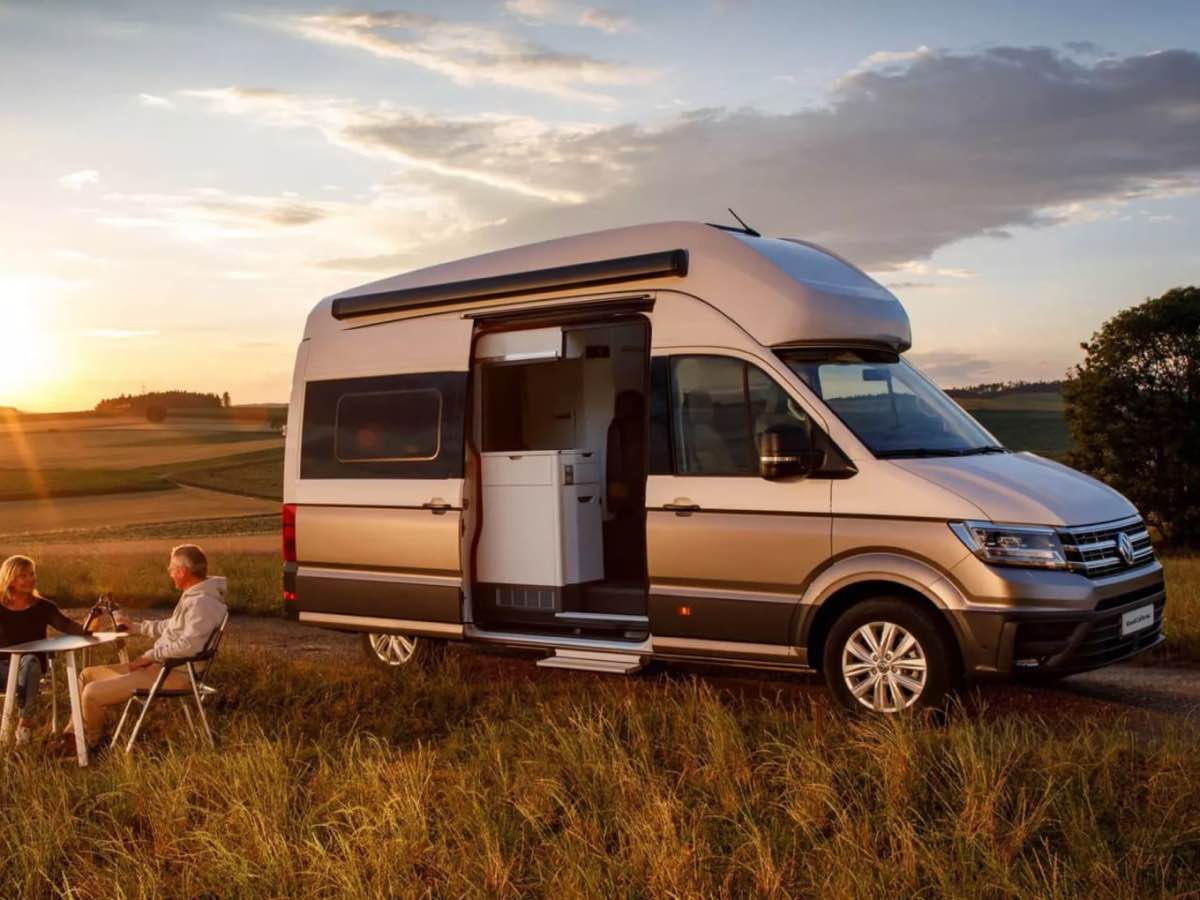
Camper vans are compact and easy to drive. Smaller models such as the VW California fit a normal parking space; longer vans such as the VW Grand California (6 m) need a little more room.
Semi-integrated motorhomes keep the van's cab but join it to the living area, without an over-cab bed. They balance space and drivability.
Fully integrated motorhomes have a large panoramic windscreen and the most interior space for their length.
Alcove models have a bed above the cab, which adds sleeping places without adding length. Popular with families.
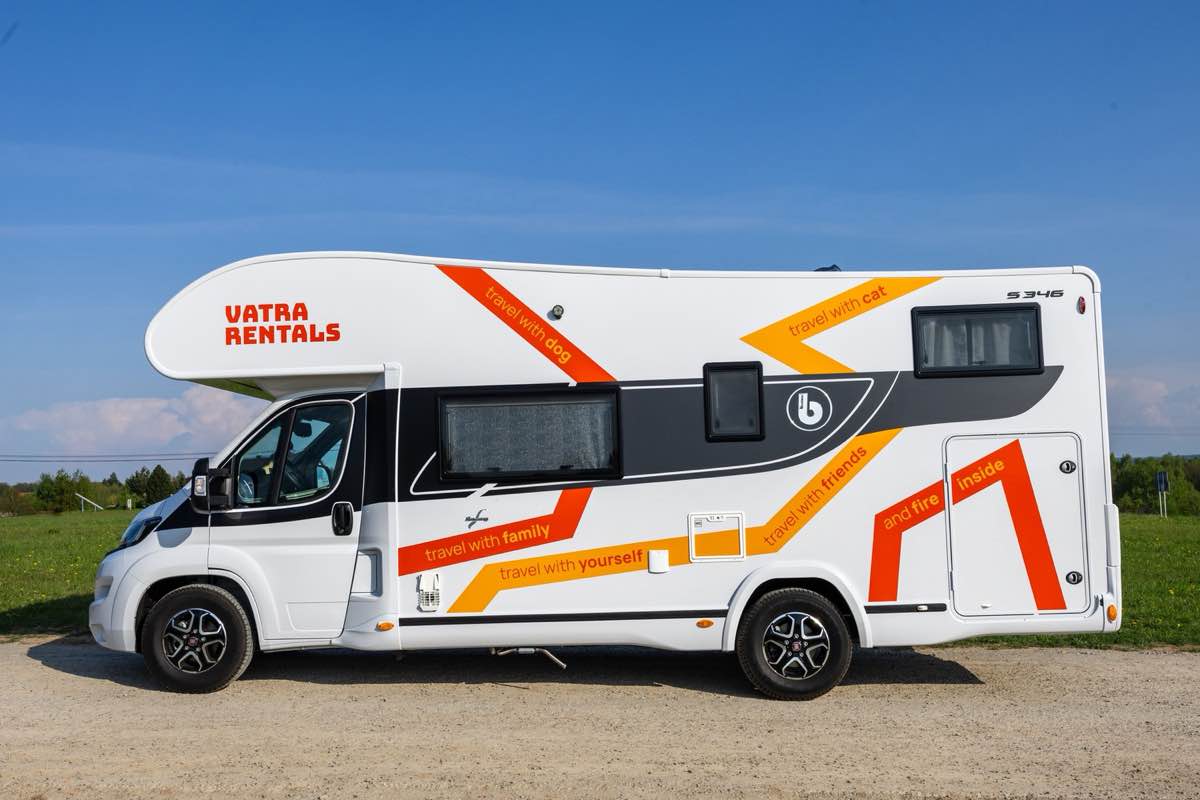
For first-timers: start with a camper van or a semi-integrated model. For reference, VATRA's fleet in Kraków is a VW Grand California (6.0 m, sleeps 4) and two 7 m motorhomes that sleep 6 (Benimar Sport 346 and Ford Itineo 700). All three are automatic diesels under 3.5 t.
Step-by-Step Booking Process
Booking takes 10 steps, from choosing dates to returning the vehicle.
Step 1: Pick Your Route and Dates
Step 2: Choose Your Camper Type
Step 3: Compare Rental Companies
Step 4: Understand the Insurance
Step 5: Book Early
Step 6: Plan Your Overnight Stops
Step 7: Prepare Your Documents
Step 8: Attend the Handover Briefing
Step 9: Take It Easy on Day One
Step 10: Return the Camper
Overcoming Driving Fears
Driving a camper is closer to driving a large van than a truck, and most people feel comfortable within the first hour. The common worries:
"It's too big to handle."
A semi-integrated motorhome is about 2.3 m wide, roughly 40 cm wider than a typical car, and 6–7.5 m long. Power steering, large mirrors and usually a reversing camera help. Leave extra room on the inside of turns, because the rear swings out.
"I'll hit something while reversing."
Go slowly, use the mirrors and camera, and get out to check if unsure. With a passenger, have them guide you from outside.
"Narrow roads terrify me."
Stay on main roads for the first day or two. If a road looks too narrow, it probably is; find another route.
"What about mountain passes?"
Use a lower gear on descents to save the brakes, take bends slowly, and pull over to let faster traffic pass.
"Parking seems impossible."
Campsites are designed for large vehicles. In cities, use motorhome parking areas or park on the edge of town and take public transport. Avoid multi-storey car parks: most campers are around 2.6–3 m tall.
"What if I break down?"
Save the rental company's emergency contact before you leave. VATRA is reachable by phone and WhatsApp/Telegram/Viber during the trip and coordinates roadside assistance.
Speed Limits Across Europe
Speed limits depend on the country and on the camper's maximum authorised weight. Under 3.5 t, car limits apply almost everywhere; over 3.5 t, lower limits usually apply. Approximate limits in km/h:
| Country | Town | Open road | Motorway | Motorhome over 3.5 t (open road / motorway) |
|---|---|---|---|---|
| Poland | 50 | 90 | 140 (120 expressway) | 70 / 80 |
| Germany | 50 | 100 | 130 recommended, no general limit | 80 / 100 |
| France | 50 | 80 (90 on some roads) | 130 (110 in rain) | 80 / 110 |
| Italy | 50 | 90–110 | 130 | 80 / 100 |
| Spain | 50 (30 on single-lane streets) | 90 | 120 | 80 / 90 |
| Austria | 50 | 100 | 130 | 70 / 80 |
| Croatia | 50 | 90 | 130 | 80 / 90 |
| Norway | 50 | 80 | 100–110 | Car limits up to 7.5 t |
| Portugal | 50 | 90 | 120 | 80 / 100 |
| Netherlands | 50 | 80 | 100 by day, up to 130 at night where signed | 80 / 80 |
Sample 3-Day Itinerary from Kraków
This route through southern Poland keeps daily driving under about 120 km and uses main roads.
Day 1: Kraków → Zakopane (approx. 110 km, 2 hours)
Day 2: Tatra Mountains (short drives + hiking)
Day 3: Pieniny → Kraków (approx. 170 km in total)
Water, Waste and Gas: The Basics
Most first-trip problems come from tanks and gas, and they're easy to avoid:
Common Mistakes First-Timers Make
Budget Planning: 7-Day Trip Cost Breakdown
A 7-day camper trip for 2 people in Europe typically costs about €1,000–€2,000 in total. Approximate market figures:
| Expense | Budget (EUR) | Mid-range (EUR) | Premium (EUR) |
|---|---|---|---|
| Camper rental (7 days) | 490 | 770 | 980 |
| Fuel | 170 | 170 | 170 |
| Campsite fees (7 nights) | 70 | 140 | 210 |
| Food & groceries | 200 | 300 | 400 |
| Activities | 50 | 100 | 200 |
| Tolls | 30 | 30 | 30 |
| Total | 1,010 | 1,510 | 1,990 |
VATRA example: daily rates are 490–840 PLN (about €115–195) depending on season and camper, with unlimited mileage and liability + casco insurance included. Rentals under 7 days add a one-time 650 PLN service fee; the gas bottle (200 PLN, mandatory), bedding (70 PLN per person) and a vignettes package (75 PLN) are extra. Rentals of 14+ days get 7% off.
Top Tips for First-Time Camper Renters
Ready for a first trip from Kraków? VATRA's three automatic campers can all be driven on a category B licence.
FAQ
Do I need a special driving license?
No. A standard category B car licence covers campers with a maximum authorised weight of up to 3,500 kg (3.5 t), which includes most rental campers. Above 3.5 t you need a C1 licence, unless you hold an older licence with grandfathered rights. Some non-EU licences must be accompanied by an International Driving Permit. All three VATRA campers are 3.5 t or less, so a B licence is enough; drivers must be at least 18 and have held their licence for 2+ years (drivers under 23 pay a young-driver fee of 60 PLN/day).
How hard is it to drive a campervan?
Easier than most people expect. A camper drives like a large van: power steering, big mirrors and usually a reversing camera. The differences are length (take turns wider, reverse slowly) and height (around 2.6–3 m, so avoid low bridges and multi-storey car parks). Most people feel comfortable within the first hour. Keep day one short and practise parking somewhere quiet. Many rental campers have automatic gearboxes; all VATRA campers do.
Where can I park overnight?
At campsites, at motorhome stopovers (aires de camping-car in France, Stellplätze in Germany), at farms and wineries in networks such as France Passion, and, where the law allows, on public land. Wild camping rules vary a lot: Croatia bans camping outside campsites, and many Italian and Spanish regions and municipalities restrict it. Scandinavia's right of public access (allemansrätten) covers tents and people on foot, not motor vehicles; in Sweden and Norway you can usually stay one night where parking is allowed. In Poland you may not drive into forests or overnight inside national parks. Park4night, Camperstop and camping.info list legal spots; check local signs, as fines can be high.
What if something breaks down?
Call the rental company first; most arrange roadside assistance, which sends a mechanic or a tow truck. Save their emergency contact before you leave and keep your booking reference and exact location handy. Small problems (a blown fuse, an empty gas bottle, a blocked drain) are usually covered in the handover briefing. VATRA can be reached by phone and WhatsApp/Telegram/Viber during the trip and coordinates roadside assistance.
Can I rent a camper one-way?
Some companies offer one-way rentals, where you pick up in one city and drop off in another, sometimes in another country. Expect an extra fee, often a few hundred euros depending on distance, and limited availability in high season. One-way options are more common with large international chains. Compare the fee with the fuel and time of a round trip; a loop route is often cheaper and lets you see different places each way.
Is camper travel good for families with small children?
Yes. Children get the same bed every night, you can stop whenever they need a break, and you cook food they know. Alcove and larger motorhomes give separate sleeping areas. Ask the rental company about child seats and check that the camper has enough seats with belts for everyone. Plan shorter driving days (2–3 hours), add playground stops, and pick campsites with playgrounds or pools. VATRA's Benimar Sport 346 and Ford Itineo 700 sleep 6.
Locations
Adventure club
Turn this route into your trip
Give us your email and we'll send a 5% code for your first camper booking, plus the routes we drive ourselves.
Related Posts
How Much Does It Cost to Rent a Camper in Poland & Europe? 2026 Price Guide
A 4–6 berth motorhome in Poland costs about 400–490 PLN per day in low season and 600–800 PLN in high season (2026). Prices in 12 European countries, extra fees, deposits, fuel, tolls, campsites and a camper vs hotel comparison.
Best Camper Rental Companies in Poland 2026: How the Main Options Compare
Six ways to rent a camper in Poland in 2026, compared: direct rental companies (VATRA, McRent, Go Camp), booking platforms (Campiri, Yescapa) and the CampRest directory. What each includes, how insurance works, which extras to add to a quote, and what to check before you pay.
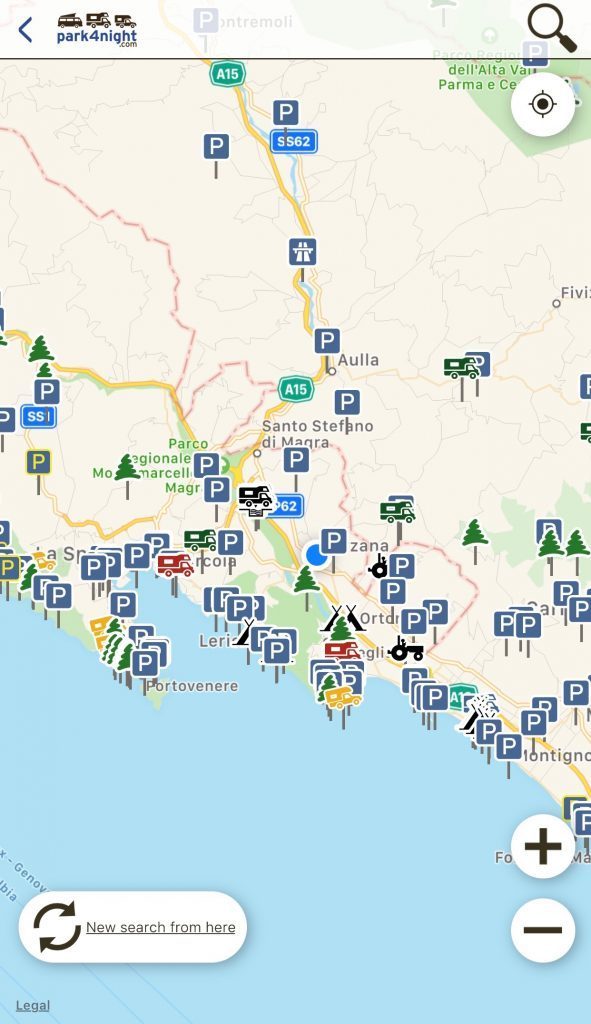
Park4night: The Complete Camper’s Guide
How to get the most out of the Park4night app: what you’ll find inside, smart filters, offline tricks, safety tips, and etiquette for sleeping spots.