15 Best Camping & Camper Destinations in Poland: Region-by-Region Guide
Discover Poland's top 15 camping and campervan destinations — from the Tatra Mountains to the Baltic Coast. Region-by-region breakdown with a 14-day itinerary, campsite info, and practical tips for 2026.
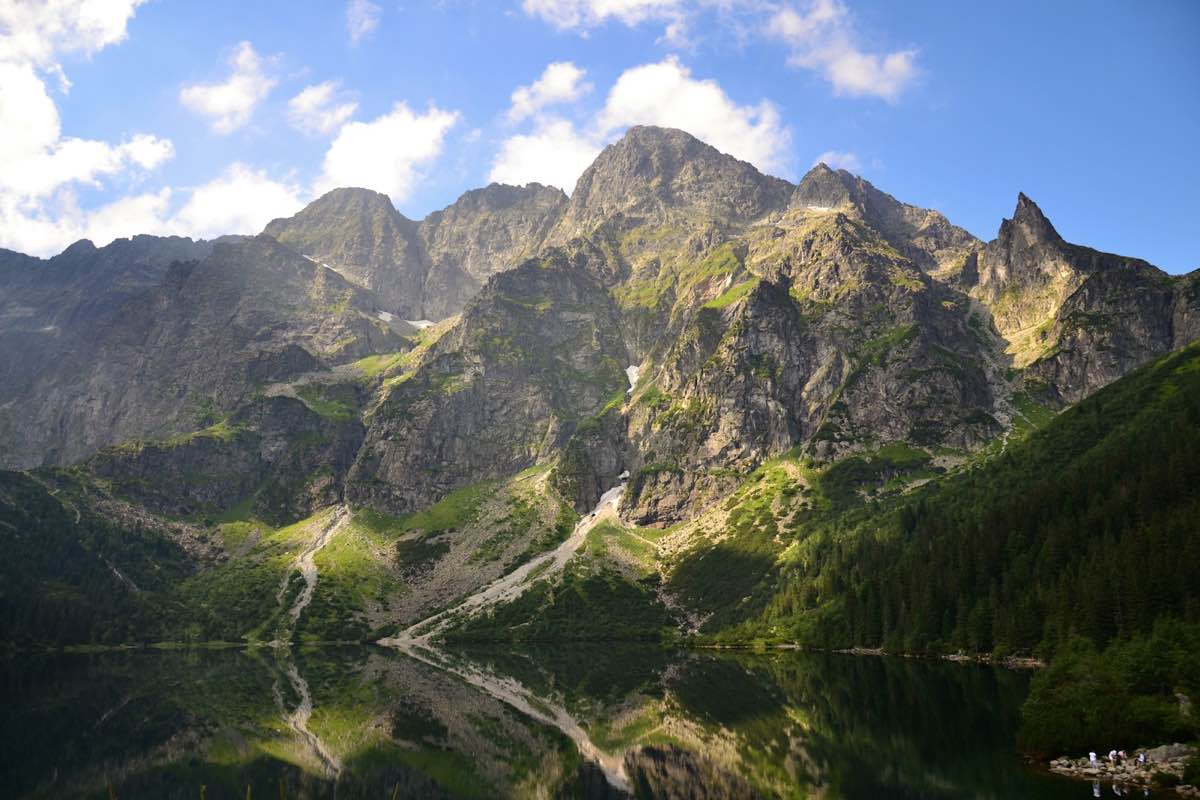
Morskie Oko in the Polish Tatra Mountains. Photo: Joanna / Unsplash
15 Best Camping & Camper Destinations in Poland
Poland is one of Europe's most underrated camper destinations. With diverse landscapes ranging from alpine peaks to sandy Baltic beaches, thousands of lakes, ancient forests, and a rapidly improving campsite infrastructure, it offers outstanding value compared to Western Europe. Campsite fees are typically 40-120 PLN (9-28 EUR) per night, fuel is affordable, and toll costs are minimal.
Whether you're picking up a camper from Kraków (where operators like VATRA are based) or arriving from elsewhere in Europe, Poland has something for every type of traveler. Here's our region-by-region guide to the 15 best destinations.
Quick Comparison: All 15 Destinations
| # | Destination | Region | Best For | Best Months | Highlights |
|---|---|---|---|---|---|
| 1 | Tatra Mountains | Southern | Hiking, views | Jun–Sep | Poland's Alps, thermal springs |
| 2 | Bieszczady | South-Eastern | Wilderness, solitude | May–Oct | Dark skies, wild animals |
| 3 | Masuria (Great Masurian Lakes) | North-Eastern | Water sports, families | Jun–Aug | 2,000+ lakes, kayaking |
| 4 | Baltic Coast (Hel, Łeba) | Northern | Beach, seafood | Jun–Sep | Sand dunes, lighthouses |
| 5 | Słowiński National Park | Northern | Nature, dunes | May–Sep | Moving sand dunes, UNESCO |
| 6 | Kashubia | Northern | Culture, rolling hills | Jun–Sep | Traditional villages, lakes |
| 7 | Pieniny (Dunajec Gorge) | Southern | Rafting, gorges | May–Sep | Dramatic river gorges |
| 8 | Karkonosze Mountains | South-Western | Hiking, waterfalls | Jun–Sep | Mountain shelters, waterfalls |
| 9 | Roztocze | South-Eastern | Cycling, forests | May–Oct | Gentle hills, wild horses |
| 10 | Kampinos Forest | Central | Day trips from Warsaw | Apr–Oct | Close to Warsaw, bison |
| 11 | Augustów Canal & Forest | North-Eastern | Canoeing, history | Jun–Sep | Historic canal, pristine forest |
| 12 | Jura Krakowsko-Częstochowska | Southern | Castles, climbing | May–Oct | Limestone cliffs, castle trail |
| 13 | Babia Góra | Southern | Mountain hiking | Jun–Sep | UNESCO biosphere, challenging |
| 14 | Drawsko Lake District | North-Western | Fishing, quiet lakes | Jun–Sep | Crystal-clear lakes |
| 15 | Białowieża Forest | Eastern | Nature, wildlife | May–Oct | UNESCO, European bison |
Southern Poland
Tatra Mountains
The Tatras are Poland's most dramatic mountain range — often called "Poland's Alps." The town of Zakopane serves as the main gateway, with several campsites in the surrounding valleys. Popular hikes include Morskie Oko (the iconic mountain lake), Kasprowy Wierch (cable car access), and the ridge trail to Świnica. After a day on the trails, soak in the thermal pools at Chochołów or Białka Tatrzańska.
Camper tip: Arrive early in peak season — parking near trailheads fills up by 8 AM. Several campsites in Poronin and Murzasichle offer quieter alternatives to the busy Zakopane center.
Bieszczady
Poland's wildest corner. The Bieszczady mountains in the far southeast offer rolling grasslands (called "połoniny"), dark-sky stargazing, and a real chance to spot wolves, bears, and lynx. The region is sparsely populated and the roads are winding but scenic. Campsites are basic but atmospheric — expect campfires, silence, and zero crowds outside August.
Camper tip: Fill up on fuel and supplies before entering the region — services are scarce. The drive from Kraków takes about 4-5 hours but every kilometer is worth it.
Pieniny & Dunajec Gorge
The Pieniny range is compact but spectacular. The highlight is a traditional wooden raft trip down the Dunajec River gorge, with 300-meter limestone cliffs on both sides. The town of Szczawnica makes a good base, with campsites along the river. Hiking Trzy Korony (Three Crowns) peak offers panoramic views of the gorge and Slovakia beyond.
Jura Krakowsko-Częstochowska
The Polish Jura is a limestone upland stretching north from Kraków, dotted with medieval castle ruins (the "Eagle Nests Trail"), rock-climbing spots, and cave systems. It's perfect for a few days of cultural exploration mixed with outdoor activities. The landscape is gentler than the Tatras, making it ideal for families.
Babia Góra
A UNESCO Biosphere Reserve with one of the most challenging day hikes in Poland. The peak at 1,725 m offers stunning views and the trail passes through distinct vegetation zones. Less crowded than the Tatras, it rewards those seeking a more serious mountain experience.
Northern Poland
Baltic Coast (Hel Peninsula & Łeba)
Poland's Baltic coast stretches for over 500 km. The Hel Peninsula — a narrow sand spit reaching into the sea — offers beaches on both sides, a seal sanctuary, and fresh fish restaurants. Łeba is the gateway to the Słowiński dunes and has a laid-back beach-town vibe. Campsites along the coast are plentiful and range from basic to resort-style.
Camper tip: The coast gets busy in July and August. Shoulder season (June, September) brings pleasant weather with far fewer crowds.
Słowiński National Park
Home to Europe's largest shifting sand dunes, some reaching 40 meters high. The park is a UNESCO Biosphere Reserve where the dunes slowly migrate, burying forests in their path. The landscape feels almost desert-like — a surreal contrast to the Baltic forest surroundings. Electric carts shuttle visitors from parking areas to the dunes.
Kashubia
A culturally distinct region south of Gdańsk with its own language, traditions, and cuisine. Rolling hills, clean lakes, and charming villages make it ideal for a slower-paced camper trip. Try traditional Kashubian cuisine and visit the Wdzydze Landscape Park.
Drawsko Lake District
One of Poland's best-kept secrets. The lakes around Drawsko Pomorskie and Czaplinek are crystal-clear, great for swimming, and far less crowded than Masuria. The area is popular with anglers and those seeking genuine quiet.
Eastern Poland
Masuria (Great Masurian Lakes)
Often called "the land of a thousand lakes" (though there are actually over 2,000), Masuria is Poland's premier water sports destination. Kayaking, sailing, and fishing dominate here. The Krutynia River kayak trail is a classic multi-day route. Towns like Giżycko and Mikołajki provide supplies and entertainment.
Camper tip: Many lakeside spots have designated camper parking areas. The Great Masurian Trail connects several lakes and towns — perfect for a multi-day camper circuit.
Augustów Canal & Primeval Forest
A 19th-century engineering marvel that connects the Vistula and Neman river basins. The canal passes through some of Poland's most pristine forest. Rent a canoe or kayak and explore at water level, then retreat to your camper in the evening. The Augustów Primeval Forest is one of the largest continuous forest areas in Europe.
Białowieża Forest
Europe's last primeval lowland forest and a UNESCO World Heritage site. This is the best place in Europe to see European bison in their natural habitat. Guided tours into the strict reserve are available, and the surrounding area has cycling trails, wooden architecture, and an atmosphere of deep antiquity.
Roztocze
A region of gentle hills, wide forests, and crystal-clear streams between Lublin and the Ukrainian border. The Roztocze National Park protects old-growth forest and is home to Polish wild horses (konik polski). Excellent cycling infrastructure makes this a perfect active camping destination.
Central & Western Poland
Kampinos Forest
Just 20 minutes from Warsaw's city limits, Kampinos National Park offers surprisingly wild landscapes — dunes, marshes, and ancient forest. It's home to a small population of elk and bison. Perfect for a day trip or overnight stop if you're passing through the capital.
Karkonosze Mountains
The highest range in the Sudetes, straddling the Polish-Czech border. Śnieżka (1,602 m) is the highest peak, accessible by several trails. The range is known for its alpine meadows, waterfalls (Szklarka, Kamieńczyk), and a network of mountain shelters offering meals and overnight stays. Szklarska Poręba and Karpacz are the main base towns.
Suggested 14-Day Camper Route from Kraków
| Day | Route | Highlights | Distance |
|---|---|---|---|
| 1–2 | Kraków → Tatra Mountains | Morskie Oko hike, thermal pools | 110 km |
| 3 | Tatras → Pieniny | Dunajec rafting, Trzy Korony | 90 km |
| 4–5 | Pieniny → Bieszczady | Połoniny hikes, dark-sky stargazing | 200 km |
| 6 | Bieszczady → Roztocze | Wild horses, forest cycling | 180 km |
| 7–8 | Roztocze → Masuria | Lake district, kayaking | 350 km |
| 9 | Masuria → Augustów | Canal cruise, primeval forest | 100 km |
| 10–11 | Augustów → Baltic Coast | Beaches, Hel Peninsula | 300 km |
| 12 | Baltic → Słowiński NP | Shifting sand dunes | 120 km |
| 13 | Słowiński → Kashubia | Kashubian culture, lakes | 100 km |
| 14 | Kashubia → Kraków (return) | Scenic drive south | 550 km |
Total distance: approximately 2,100 km. Allow extra time for detours and rest days.
Campsite Infrastructure: Poland vs Western Europe
| Feature | Poland | Western Europe |
|---|---|---|
| Price per night | 40–120 PLN (9–28 EUR) | 20–50 EUR |
| Electricity hookup | Most sites | Standard |
| Showers / WC | Most sites | Standard |
| WiFi | Growing (60–70% of sites) | Common |
| Waste disposal | Available at most sites | Standard |
| Laundry | Larger sites only | Common |
| Restaurant / shop | Larger sites only | Common |
| English spoken | Major sites yes | Standard |
| Card payment | Growing, bring cash backup | Standard |
| Booking required | Peak season recommended | Often required |
Wild Camping Rules in Poland
Wild camping (free camping outside designated areas) is generally not permitted in Poland. Key rules:
Practical advice: Use apps like Park4night to find legal and tolerated overnight spots. Many Polish towns have designated camper parking areas (often free or very cheap). When in doubt, choose a campsite — they're affordable and the facilities make life easier.
Tips for Camper Travel in Poland
FAQ
Is wild camping legal in Poland?
Wild camping is generally not permitted in Poland. It's strictly prohibited in national and landscape parks. Overnight parking in your vehicle is tolerated in some state forests, but this is a legal gray area. Use apps like Park4night to find legal and tolerated overnight spots, or choose affordable campsites.
What's the best region in Poland for families with children?
Masuria (Great Masurian Lakes) is the top pick for families — calm lakes, kayaking, swimming, and plenty of kid-friendly activities. The Baltic Coast is also excellent with sandy beaches and shallow water. The Jura region offers castle exploration and gentle hikes suitable for children.
When is the best time to go camping in Poland?
The best camping season in Poland is June through September. July and August are peak months with warmest weather but also the most crowds and highest prices. June and September offer pleasant temperatures, fewer tourists, and lower campsite fees — ideal for a more relaxed experience.
Are Polish campsites good quality?
Polish campsite quality has improved significantly in recent years. Most sites offer electricity, showers, and WC facilities. Larger sites may have restaurants, shops, and laundry. While infrastructure doesn't always match Western European standards yet, the value is excellent — you'll pay 40-120 PLN (9-28 EUR) per night compared to 20-50 EUR in Western Europe.
Do I need to book campsites in advance in Poland?
Advance booking is recommended for July and August, especially in popular areas like Masuria, the Baltic coast, and the Tatra Mountains. In shoulder season (June, September) and off the beaten path, you can usually find spots without booking. Some smaller campsites don't have online booking — calling ahead is the best approach.
Can I camp in Polish national parks?
Camping in Polish national parks is only allowed at designated campsites within or near the park boundaries. Wild camping or overnight parking is strictly prohibited inside national parks. Many parks have nearby campsites or partner accommodations. Always check the specific park's regulations before your visit.
Locations
Adventure club
Turn this route into your trip
Give us your email and we'll send a 5% code for your first camper booking, plus the routes we drive ourselves.
Related Posts
How Much Does It Cost to Rent a Camper in Poland & Europe? 2026 Price Guide
A 4–6 berth motorhome in Poland costs about 400–490 PLN per day in low season and 600–800 PLN in high season (2026). Prices in 12 European countries, extra fees, deposits, fuel, tolls, campsites and a camper vs hotel comparison.
First Time Renting a Camper in Europe: Complete Beginner's Guide (2026)
What a first-time renter needs to know about camper hire in Europe: licence and weight limits, vehicle types, booking steps, speed limits, water and gas basics, a 7-day budget and a 3-day route from Kraków.